Adaptive reuse: what to check before you buy an old building
Adaptive reuse · The short answer
Adaptive reuse puts an existing building to a new use, such as a warehouse that becomes a restaurant. It can save the structure and the character, but three things decide whether it is worth doing: the code upgrades that come with a change of use, the condition of the structure, and the state of the roof, walls and utilities.
What does a change of use trigger?
When a building changes use, the code treats parts of it as new. Exits, fire separations, sprinklers and accessibility are reviewed against the new use, and the structure may need an evaluation.
Have a designer and a builder read the building against the code before you close. The answer can add a stair, an elevator or a sprinkler system to the budget.
What should be investigated first?
Look at the structure: the floors, bearing walls and roof framing, and what they can carry. Survey for asbestos and lead paint. Check the roof, the windows and the masonry. Confirm the size of the electrical, gas, water and sewer services.
Opening up a few walls and ceilings early is the cheapest way to replace guesses with facts.
Do historic tax credits help?
Federal and Alabama historic rehabilitation tax credits can offset part of the cost of a qualifying building. They come with review of the design by preservation officials, so the work has to follow their standards.
Bring a tax credit consultant in before design starts. Decisions about windows, storefronts and interior features affect whether the credits are approved.
What is worth keeping?
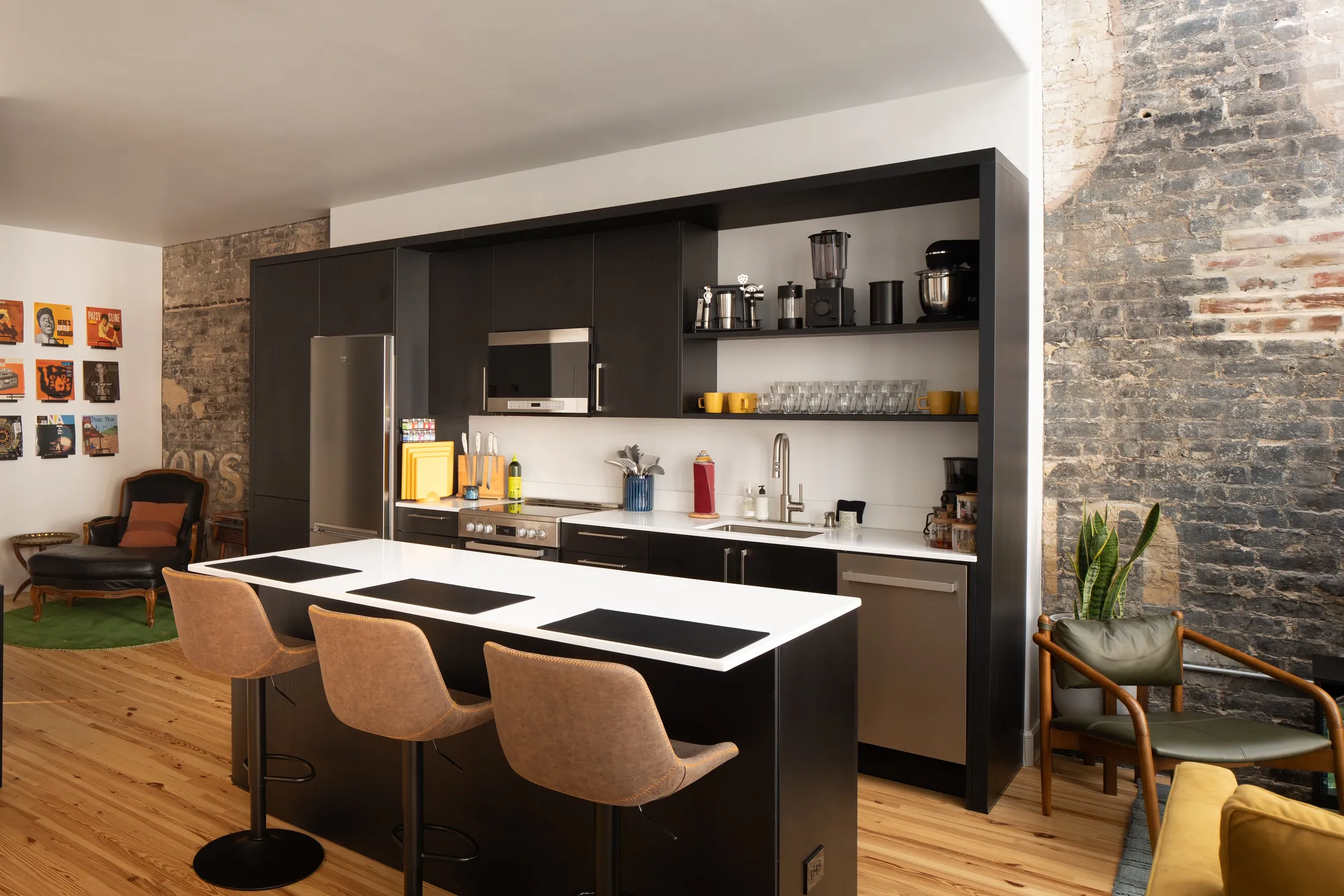
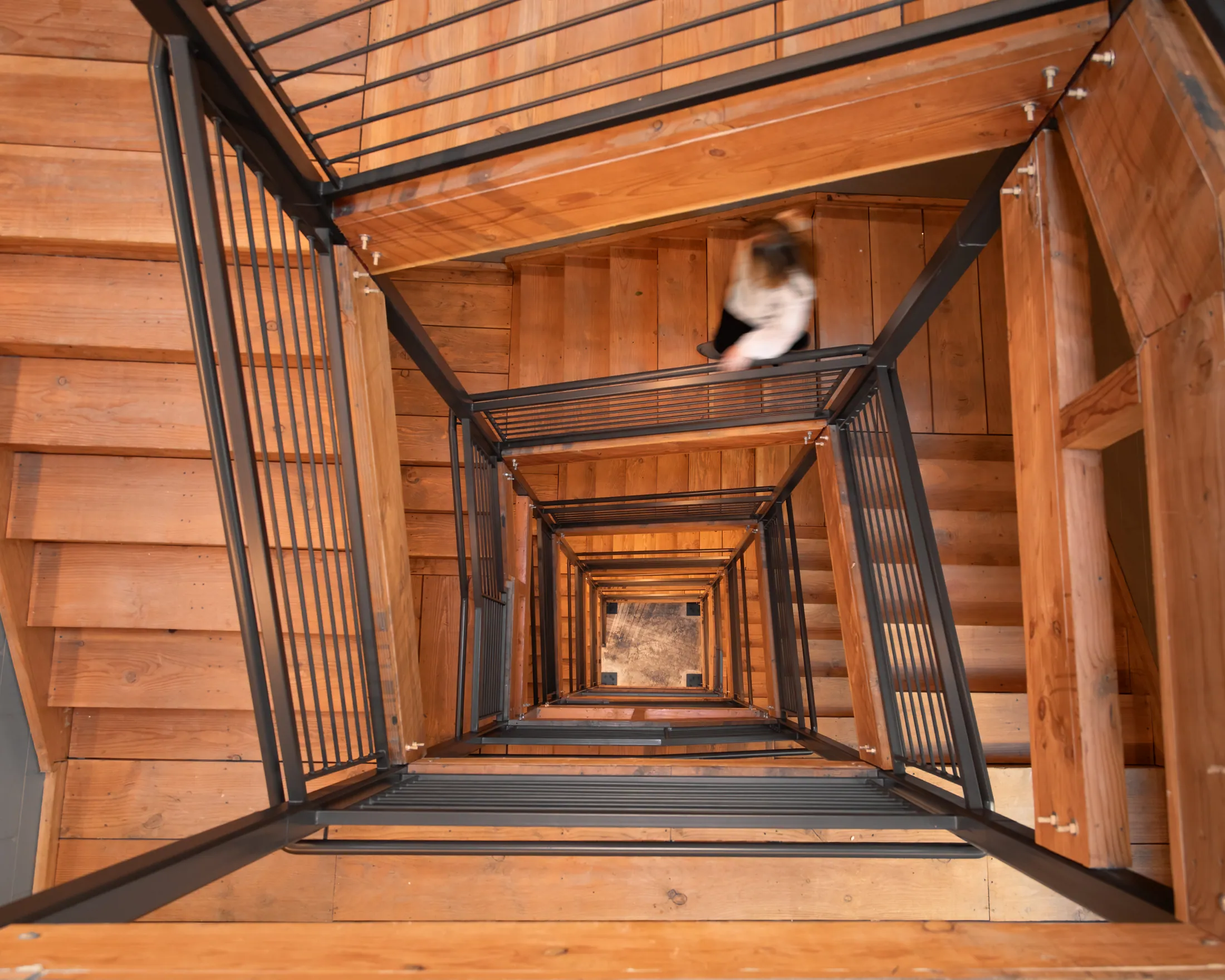
Keep what cannot be bought new: old brick, heavy timber, tall windows and stairs with age in them. New mechanical, electrical and plumbing systems are then routed so they do not fight those features.
How should the budget handle unknowns?
Carry a larger contingency than you would for a new building, and spend some money on investigation before the price is set. A guaranteed maximum price set after selective demolition is far more reliable than one set before it.
Common questions
Is reusing a building cheaper than building new?
Sometimes. You save the structure and the shell, but you pay for upgrades and for surprises. The investigation tells you which way it falls.
What surprises come up most often?
Structure hidden behind finishes, undersized utilities, water damage and hazardous materials.
How early should a builder be involved?
During due diligence, before you close. A day in the building with a builder and an engineer is inexpensive insurance.

The project behind this post
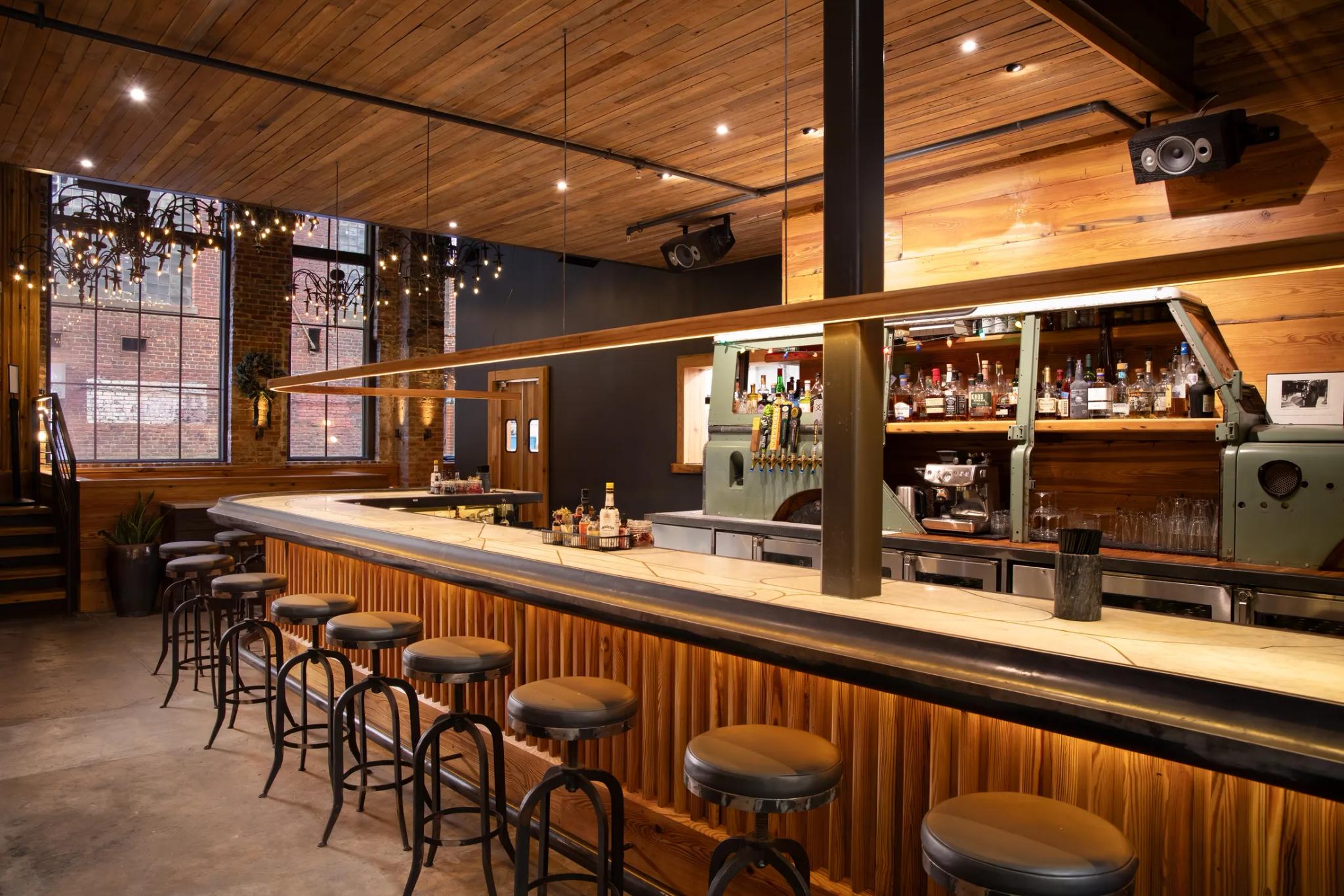
1905 Adaptive Reuse — Mixed-Use Residential & Commercial