Stone and slate: what goes into a house built to last
Materials · The short answer
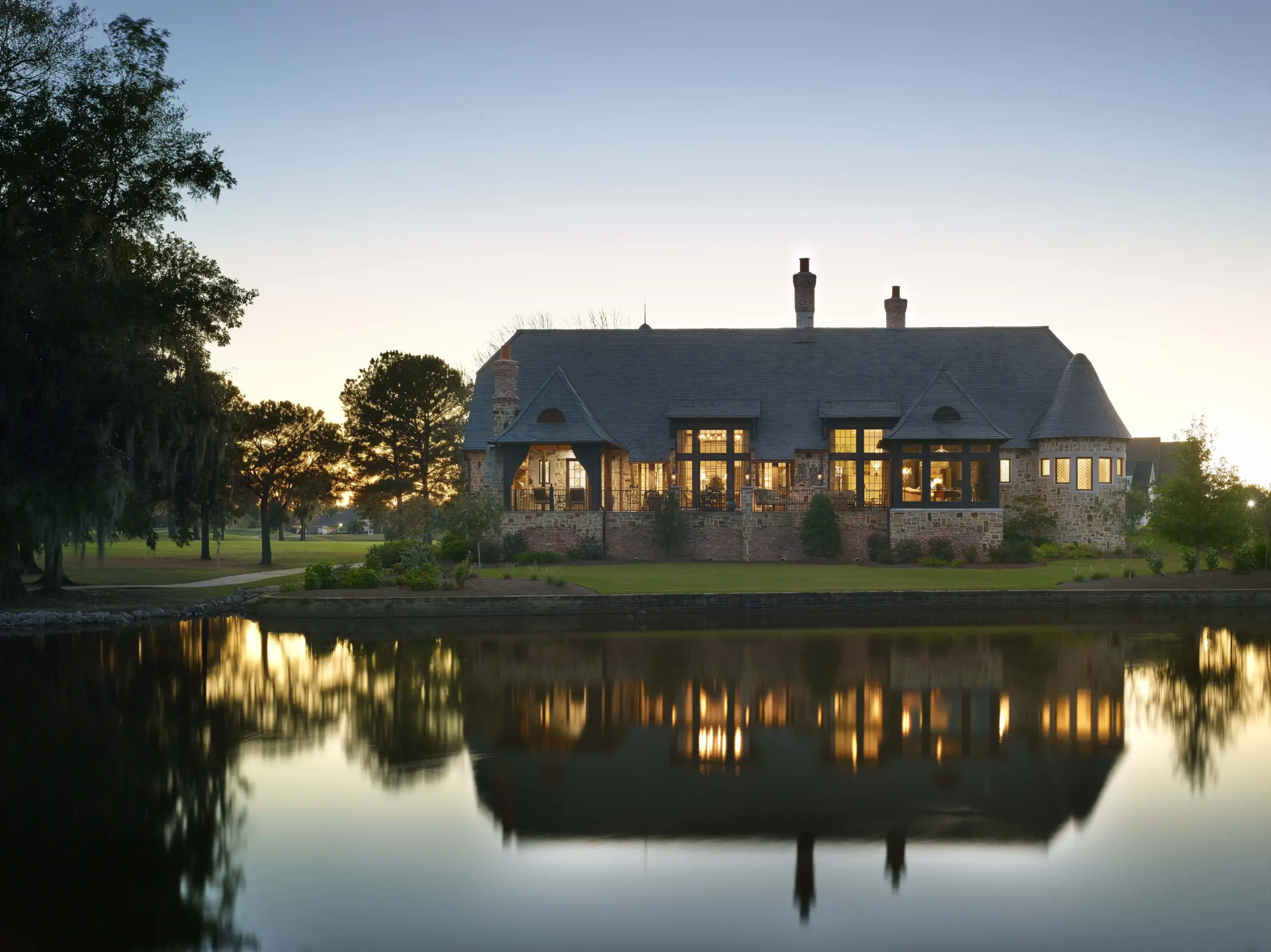
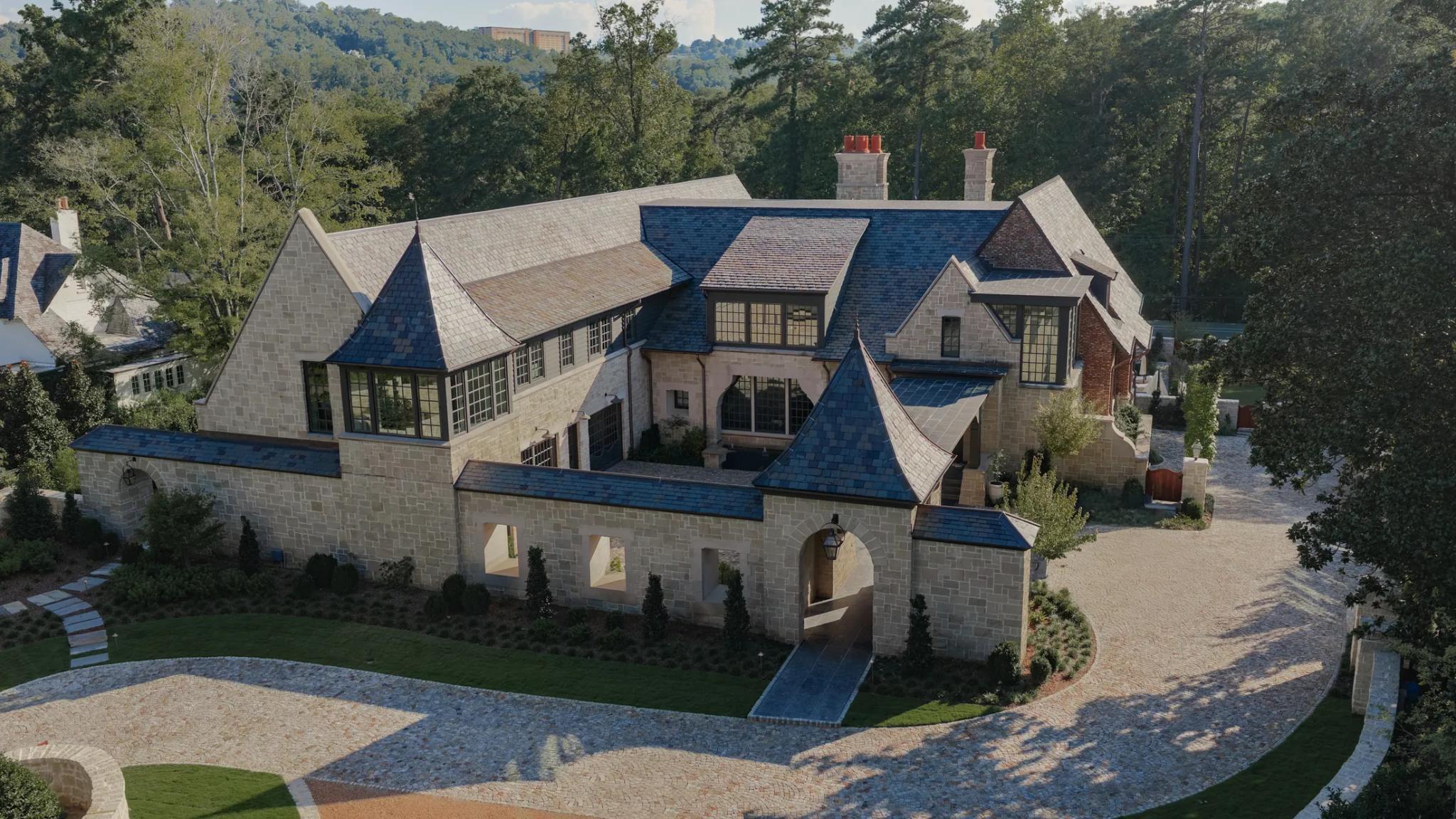
Stone walls and a slate roof can last a century or more, but they have to be planned from the foundation up. Both are heavy, so the footings, walls and roof framing are engineered for the load, and both are laid by hand, which adds months and calls for skilled masons and roofers.
How is stone put on a house?
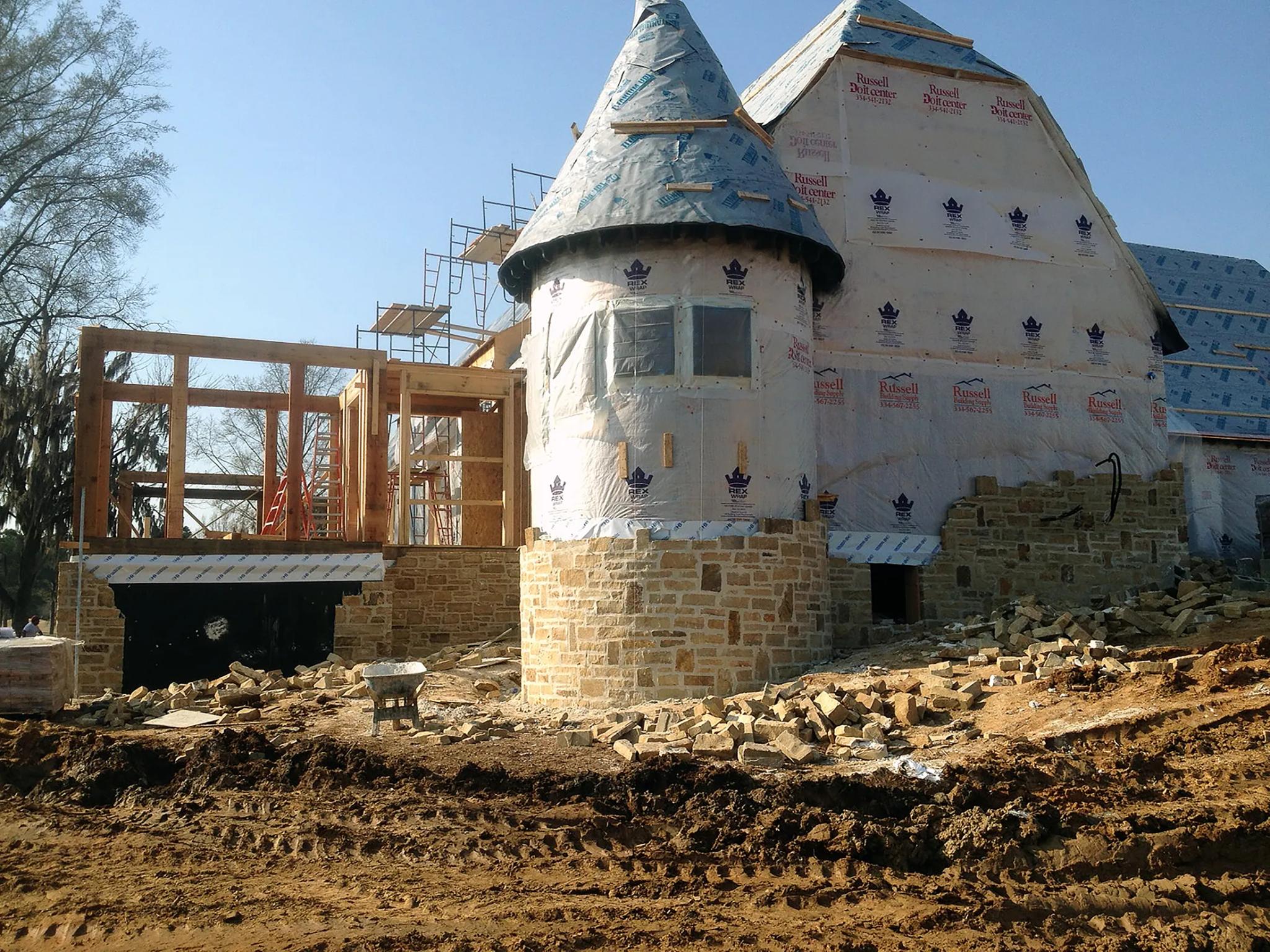
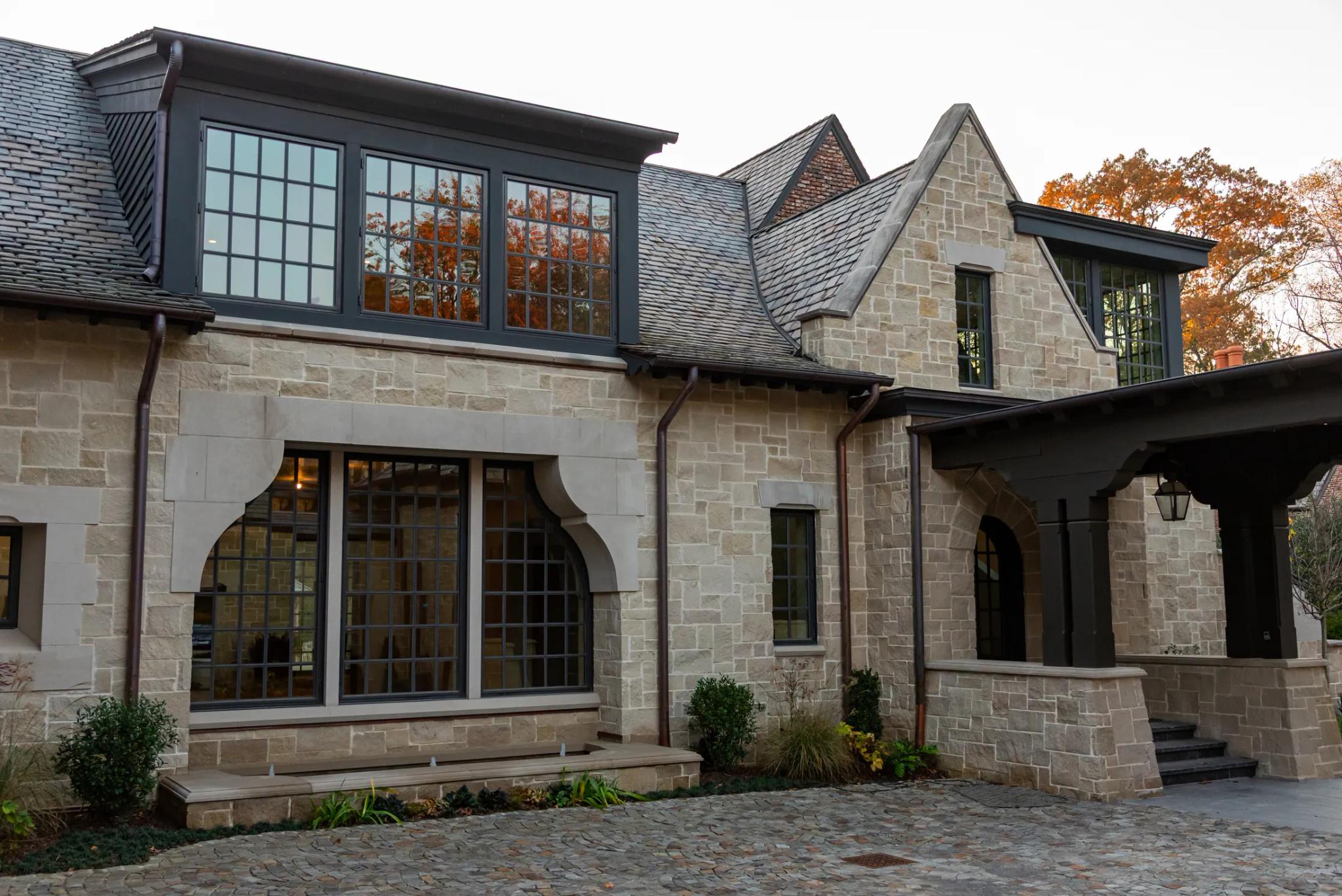
Full-thickness stone sits on a ledge in the foundation and is tied back to the wall. The pattern matters as much as the stone. Coursed blocks with cut surrounds read as formal. Random rubble reads as rustic.
A mason should build a sample panel on site before the walls start, so the stone, the joints and the mortar colour are agreed.
What does a slate roof ask of the house?
Slate weighs several times what asphalt shingles do. The rafters, the walls and the footings are sized for it from the start.
It is installed with copper or stainless fasteners and copper flashing, because the flashing has to last as long as the slate.
How do stone and slate affect the schedule?
Both are slow. Stone is quarried and cut to order, and it is laid a few courses at a time. Slate is sorted and hung piece by piece. Order early and expect the masons to be on site for months.
What about the details?
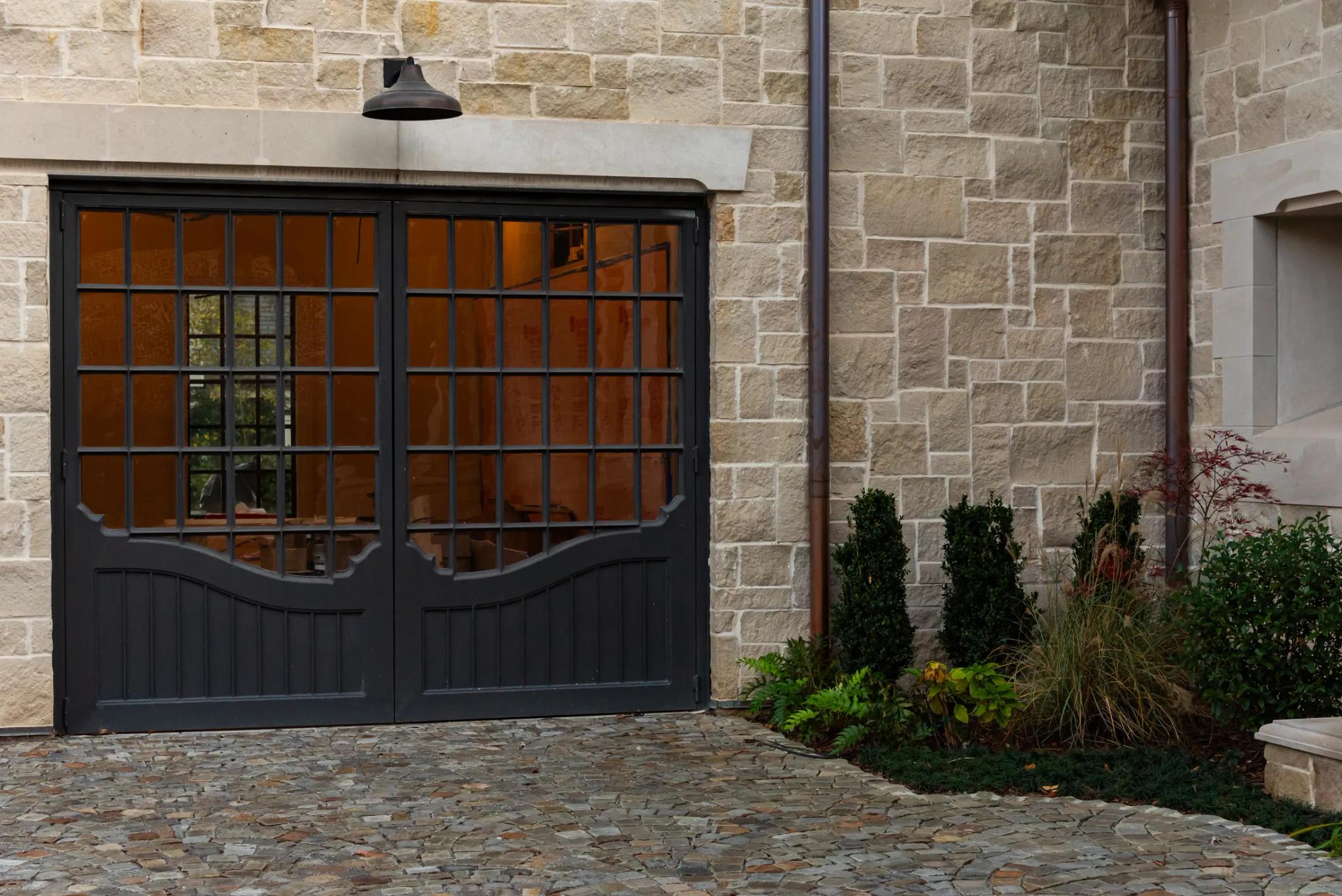
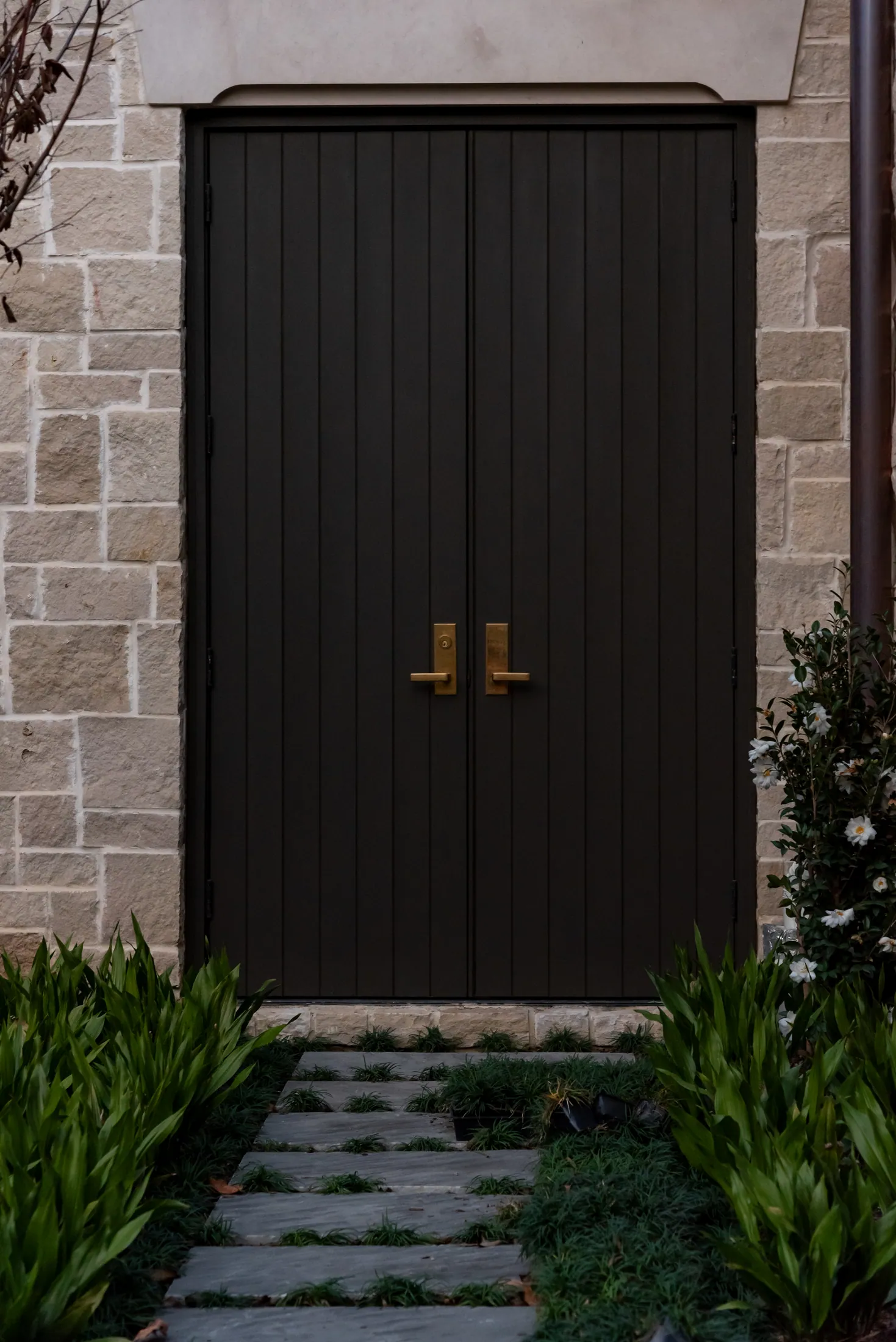
Stone and slate houses are finished with materials that age at the same pace: copper gutters, lead or copper at the chimneys, timber doors and bronze or steel windows.
Common questions
Is natural slate worth the cost?
If you intend to keep the house for decades, often yes. It costs more to install and very little to keep.
Can stone be added to a house later?
Thin veneer can. Full stone needs a ledge in the foundation, so it has to be decided before the footings are poured.
How much upkeep do they need?
Very little. Mortar joints and flashing should be looked at every few years, and a cracked slate can be replaced one at a time.
The project behind this post
Custom Estate — Mountain Brook